Preserving the Past: Why Refurbishing Old Door Hardware in Historic Buildings is Worth it
In historic spaces like churches, museums, libraries, and government buildings, every detail tells a story—from the stained glass in the windows to the craftsmanship of the doors. One element often overlooked—but rich in both form and function—is door hardware.
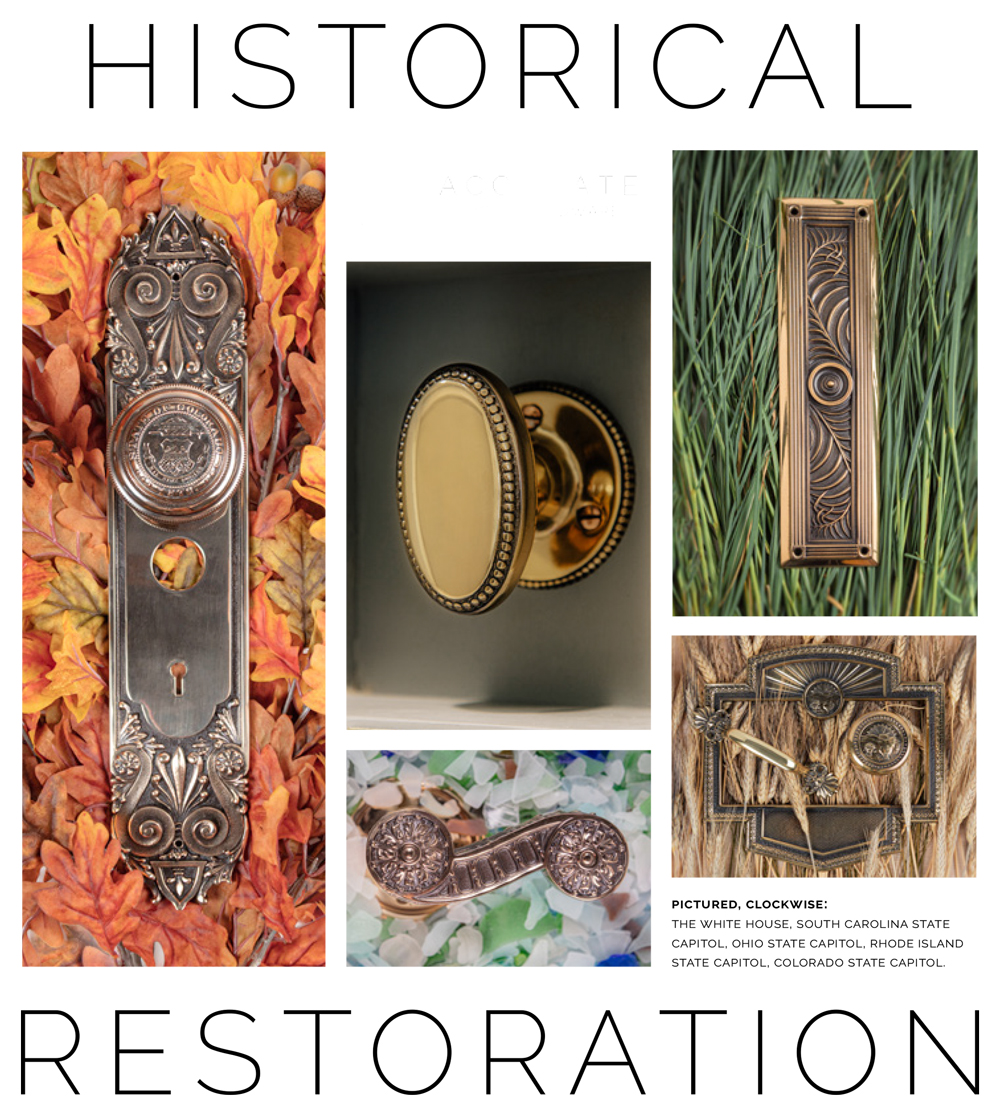
Whether it’s a centuries-old latch in a cathedral or an ornate brass doorknob in a heritage museum, original hardware is a physical link to the building’s history. When those pieces begin to wear or malfunction, the question becomes: replace or restore?
More often than not, the answer should be: refurbish.
Why Restoration Over Replacement?
Refurbishing original door hardware isn’t just about nostalgia—it offers tangible benefits, especially in buildings where preservation, aesthetics, and integrity matter most.
1. Preservation of Historical Integrity
- Original hardware reflects the era, architecture, and artisanship of the building.
- Replacing with modern alternatives often disrupts the authenticity and visual harmony.
- Refurbishment keeps the space true to its original character.
2. High-Quality Craftsmanship
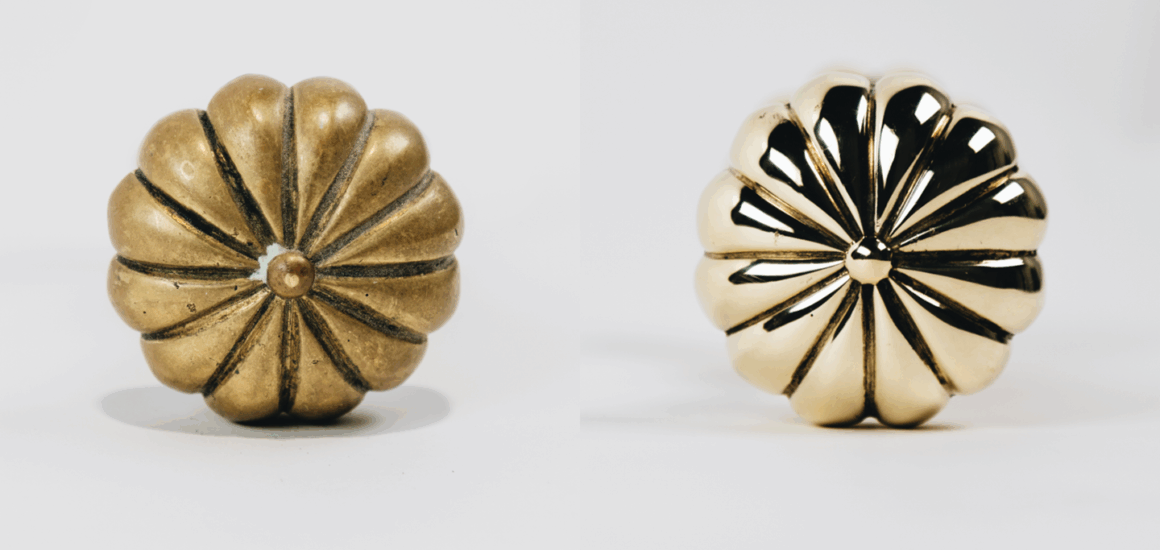
- Many antique components were made from solid brass, bronze, iron, or steel, designed to last for generations.
- Unlike today’s mass-produced hardware, these pieces were hand-finished and built with care.
- Refurbishing often reveals a quality that modern replacements can’t match.
3. Custom Fit for Unique Architecture
- Historic buildings often have non-standard doors, frames, and mechanisms.
- Replacing hardware may require major retrofitting, while restored originals fit like a glove.
4. Environmental and Cost Benefits
- Restoration minimizes waste and reduces the need for new manufacturing.
- It’s often more cost-effective than sourcing custom replicas or reworking doors to fit new components.
- Preserving original parts also avoids the need for bulk replacements throughout a space to maintain consistency.
Where It Matters Most
Some spaces where hardware restoration makes a big impact:
-
- Churches: Aging hinges, gothic pulls, and ornate locks can be cleaned, repaired, and lacquered to extend their life—keeping the sacred atmosphere intact.
- Museums: Entryways often double as exhibits. Restored hardware blends seamlessly with historic displays and gives guests a tactile sense of the past.
- Historic Homes or Government Buildings: Restoring antique hardware helps meet preservation standards required for landmark status or funding grants.
The Restoration Process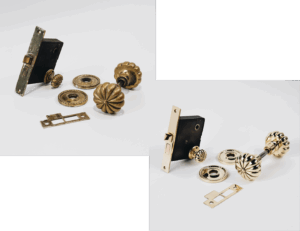
Refurbishing old hardware typically includes:
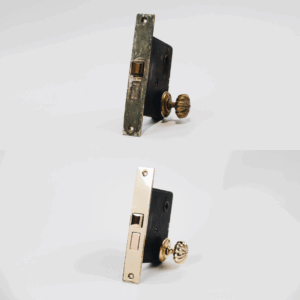
- Disassembly and Cleaning: Removing rust, paint, or corrosion without damaging detail
- Repair or Fabrication of Internal Mechanisms: Springs, latches, and locking components may need precision work or re-machining
- Polishing or Re-Finishing: To revive original shine, patina, or protective coating
- Reinstallation and Testing: Ensuring function, fit, and longevity
In some cases, a 3D scan or cast mold is made to reproduce missing or broken pieces—preserving original form while updating function.
Historic door hardware is more than just a handle—it’s a touchpoint between generations. When you restore it, you honor the past, reduce waste, and preserve beauty that can’t be replicated.
So before you consider replacing that creaky hinge or tarnished knob, ask yourself: What story might this piece still have to tell?