
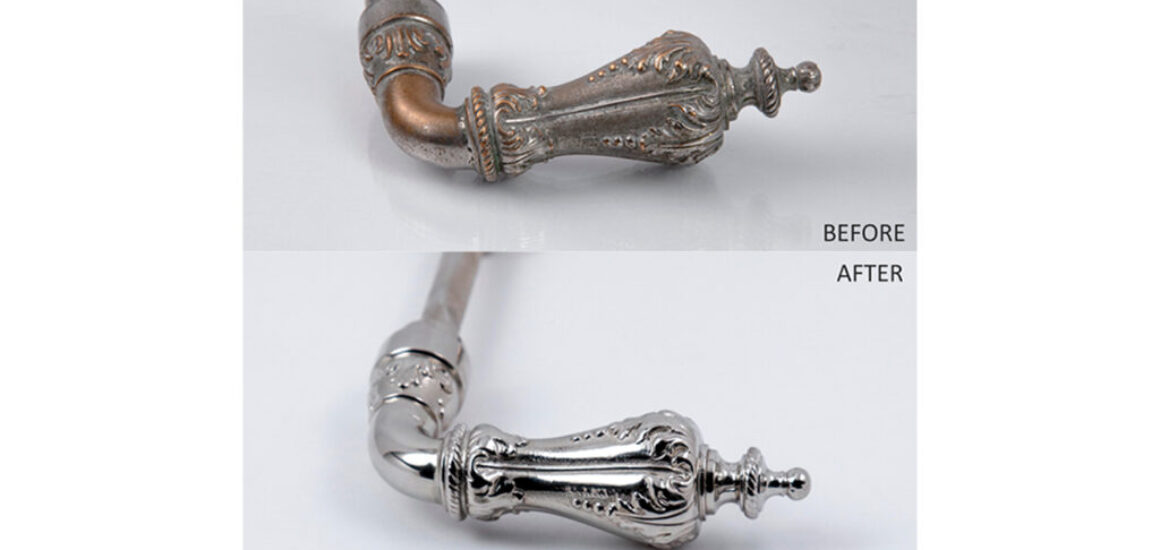
The Art and Purpose of Door Hardware Restoration
Door hardware is more than just a functional component of a building—it’s part of its identity. From intricate Victorian knobs to solid brass mortise locks in turn-of-the-century brownstones, original hardware tells the story of the architecture, the materials of its time, and the craftsmanship that once defined every detail.
As buildings age, so does their hardware. Paint layers build up, hinges rust, locks stop working, and finishes fade. But when wear and tear appear, restoration—not replacement—is often the smartest, most respectful, and cost-effective solution.
Why Restore Instead of Replace?
Restoring original hardware offers numerous advantages:
1. Preservation of Craftsmanship
-
Antique hardware was often hand-forged, cast, or machine-tooled with incredible precision.
-
Many of these details can’t be replicated by modern hardware, even high-end alternatives.
-
Restoration retains the unique character and quality of original pieces.
2. Cost Efficiency
-
Sourcing true replacements can be time-consuming and expensive.
-
Custom reproductions may require casting or machining—often more costly than cleaning and repairing the original.
-
Restoration allows you to get decades more use from materials already in place.
3. Sustainability
-
Repairing and reusing existing hardware is environmentally responsible—no need for new production or unnecessary waste.
-
Restored parts often last longer than contemporary replacements, reducing future maintenance.
4. Better Fit for Existing Doors
-
Older doors don’t always follow today’s standard sizes and mechanisms.
-
Original hardware typically fits better than modern substitutions and avoids damaging the surrounding wood or trim.
What Does Door Hardware Restoration Include?
Every piece and project is different, but restoration typically involves:
-
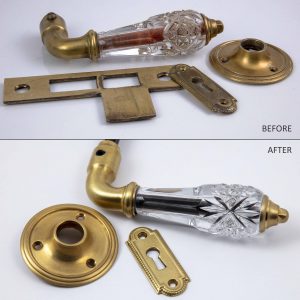
Paint and Rust Removal: Stripping layers of old paint or corrosion to expose clean metal beneath.
-
Cleaning and Polishing: Carefully bringing out the shine or restoring a vintage patina.
-
Mechanical Repairs: Fixing or replacing springs, bolts, lock cylinders, or worn internal components.
-
Finish Protection: Applying protective coatings to guard against future tarnish or wear.
-
Reinstallation: Ensuring everything fits and functions exactly as it should—sometimes better than before.
Who Benefits from Hardware Restoration?
Restoration is a smart choice in a variety of settings:
-
Historical Homes: Maintain period accuracy while updating functionality.
-
Churches & Museums: Keep architectural integrity intact in public or sacred spaces.
-
Commercial Buildings: Elevate interiors with original details that impress visitors and clients.
-
Design Enthusiasts: Those seeking authenticity and charm beyond what store-bought hardware can offer.
Whether you’re preserving a historic space or simply value craftsmanship and quality, restoring door hardware is an investment that pays off in beauty, performance, and authenticity. In a world that moves fast and favors replacements, restoration is a reminder that the best things are often already in our hands—sometimes, they just need a little polish.