
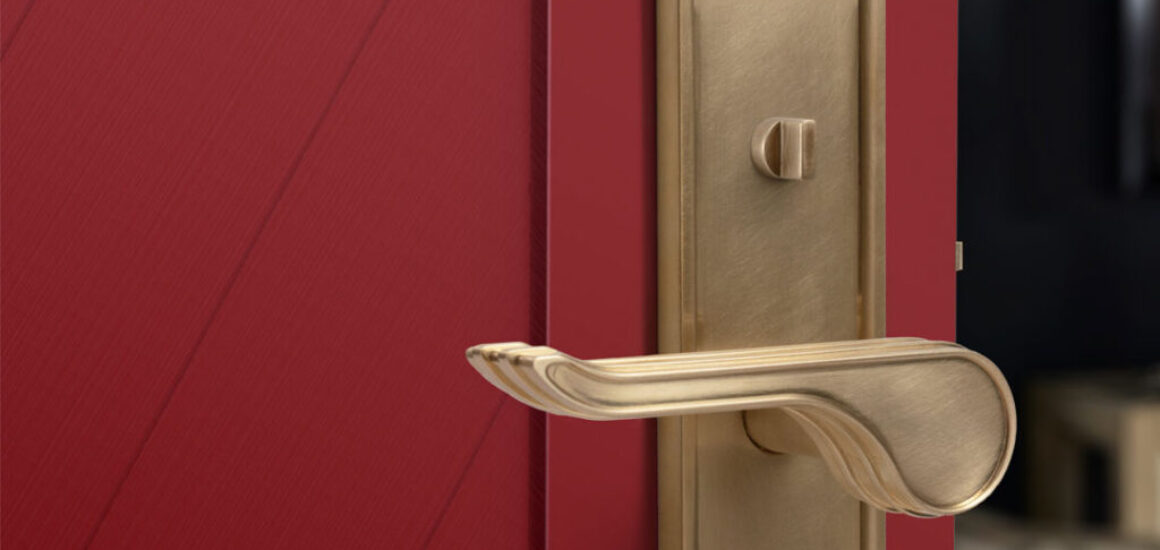
How to Identify Antique Door Hardware in Your Home
A guide to spotting original details, understanding styles, and appreciating their hidden value.
Whether you’ve just moved into a century-old home or you’re simply curious about the quirks in your doors and knobs, there’s a good chance the hardware throughout your house has a story to tell. Identifying antique door hardware is not only fascinating—it can help preserve the character (and value) of your home.
Here’s how to recognize what’s original, what’s vintage, and what those old pieces might be worth saving.
1. Look at the Material
Antique hardware was most commonly made from:
- Brass (often uncoated or with natural patina)
- Cast iron (heavy, sometimes painted or lacquered)
- Bronze (used in high-end historic homes)
- Porcelain or glass knobs (especially popular in early 1900s)
- Tip: If the piece feels solid, heavy, and cold to the touch, it’s likely original. Lightweight or thin parts often signal modern replacements.
2. Match the Style to the Era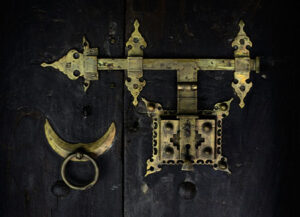
Understanding the time period of your home can help narrow down what’s likely original:
- Victorian (1860s–1900):
- Highly ornate backplates, floral motifs, decorative cast iron, intricate brass work.
- Arts & Crafts / Craftsman (1900–1920s):
- Simpler, squared designs, hammered finishes, oil-rubbed bronze.
- Art Deco (1920s–1930s):
- Geometric shapes, stepped patterns, chrome or nickel finishes.
- Mid-Century Modern (1940s–1960s):
- Minimalist, smooth lines, brass or aluminum knobs with little to no decoration.
- Tip: Take photos of your hardware and compare it to online antique catalogs or restoration sites.
3. Look for Markings or Stamps
Many antique manufacturers stamped their hardware with:
- Company names (e.g., Yale, Corbin, Russell & Erwin)
- Patent numbers
- Country of origin
- Where to look: Check the back of plates, inside lock mechanisms, or on the spindle between knobs.
You can plug a patent number into a search engine or the U.S. Patent Office database to find the approximate date and manufacturer.
4. Examine How It’s Installed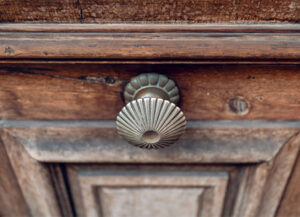
Older hardware was often:
- Surface-mounted or mortised deep into the door
- Attached with slotted screws, not Phillips-head screws (which came later)
- Built with skeleton key locks or thumb-turn mechanisms
- Tip: If your knob doesn’t come off easily with a modern screwdriver, it’s probably original.
5. Consider the Wear
Real antique pieces often have:
- Patina from oxidation (especially brass and bronze)
- Paint build-up from generations of redecorating
- Subtle warping, nicks, or signs of hand-finishing
- Tip: Don’t scrub away age too quickly—patina and wear are often part of the charm and value.
Why It Matters
Identifying antique door hardware isn’t just a fun project—it’s an opportunity to:
- Preserve your home’s architectural history
- Avoid accidentally discarding valuable or rare pieces
- Make restoration choices that honor the original design
- Whether you’re restoring a period home or just love a good design mystery, the hardware on your doors may be the most tactile and telling artifact in the house.
Need help restoring what you’ve found? We offer custom restoration and replication services to bring your antique hardware back to life—without compromising what makes it special.