
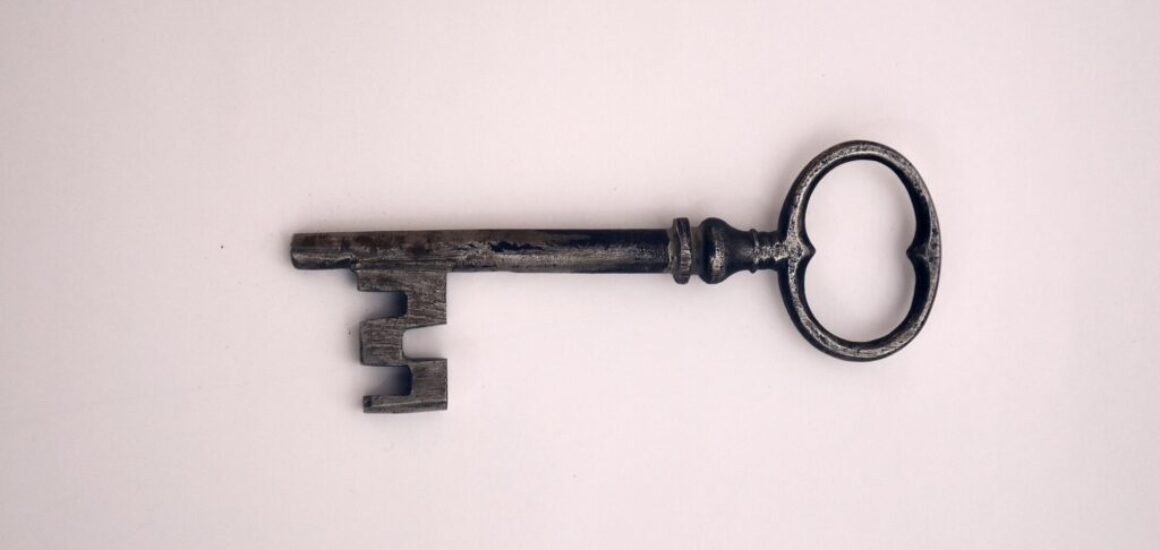
Mortise Locks & Skeleton Key Hardware: Why These Historic Pieces Are Worth Saving
If you own an older home, historic property, church, or commercial building, chances are you’ve come across mortise locks or skeleton key door hardware. These classic locking systems are a defining feature of older architecture, and while they may seem outdated at first glance, they are often far too valuable—both functionally and aesthetically—to replace without a second thought.
For many homeowners and restoration professionals, the goal isn’t to modernize everything. It’s to preserve what was built well in the first place. That’s exactly why mortise lock restoration has become such an important part of historic hardware work.
What Is a Mortise Lock?
A mortise lock is a locking mechanism that fits inside a pocket—or “mortise”—cut into the edge of a door. Unlike modern cylindrical locks, which are typically drilled through the face of the door, mortise locks are built into the door itself and often paired with ornate plates, knobs, and keyholes.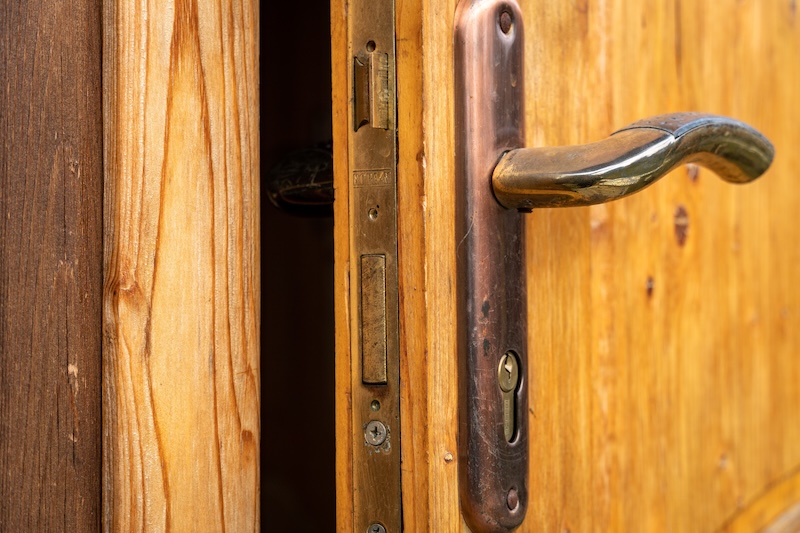
They are commonly found in:
- Historic homes
- Brownstones and row houses
- Churches and chapels
- Museums and institutional buildings
- Older apartment buildings
- Restored commercial spaces
These locks were often made from solid brass, steel, or iron and built to last for decades—sometimes even more than a century.
Why Mortise Locks and Skeleton Key Hardware Matter
Original door hardware is about more than just security. It’s part of the identity of a building.
Here’s why these pieces are worth preserving:
- Architectural authenticity – They help maintain the original character of the home or building
- Superior craftsmanship – Many antique locksets were made with materials and precision that modern hardware doesn’t match
- Proper fit – Older doors were designed specifically for mortise hardware, making modern replacements awkward or damaging
- Visual value – Keyholes, escutcheons, plates, and antique knobs create a level of detail that modern locksets often lack
Replacing an original mortise lock with a modern alternative can mean filling holes, modifying the door, damaging trim, or losing a historic design element entirely.
Common Problems With Old Mortise Locks
Over time, even the best-made hardware can wear down. Some of the most common issues include:
- The lock sticking or jamming
- A key that no longer turns smoothly
- Internal springs that have broken
- Loose knobs or spindle problems
- Paint buildup or corrosion inside the mechanism
- Missing skeleton keys
- Worn latch or deadbolt components
The good news? Many of these problems can be fixed through proper old door lock repair and restoration.
Why Mortise Lock Restoration Is Better Than Replacement
When homeowners run into trouble with antique locksets, they often assume replacement is the only option. But in many cases, mortise lock restoration is the smarter choice. Benefits of restoration include:
- Preserving original doors and trim
- Maintaining historic value
- Avoiding unnecessary modifications
- Keeping matching hardware throughout the property
- Extending the life of beautifully made original pieces
In many cases, restored antique hardware actually performs better and lasts longer than cheaper modern replacements.
What Happens During Mortise Lock Restoration?
A proper restoration process may include:
- Removing the lock body from the door
- Carefully disassembling internal components
- Cleaning out rust, debris, and paint buildup
- Repairing or replacing springs and worn parts
- Lubricating and reassembling the mechanism
- Refinishing exterior hardware if needed
- Testing for smooth operation and proper fit
If a piece is missing or damaged beyond repair, custom fabrication or replication may be possible to keep the original look intact.
When to Restore and When to Replace
While many antique locksets can be saved, there are times when replacement or custom reproduction makes more sense—especially if the original mechanism is severely damaged or incomplete. Still, if the hardware is original to the building and structurally intact, restoration is often the best first step. A good rule of thumb: If it’s old, solid, and built into the door, it’s worth evaluating before replacing.
Mortise locks and skeleton key door hardware are more than just relics from another era—they’re part of what gives historic buildings their beauty, craftsmanship, and authenticity.
If your old lock is sticking, worn, or missing parts, don’t assume it belongs in the trash. With the right care, these pieces can often be restored and appreciated for years to come.
When it comes to preserving the details that make older spaces special, saving original hardware is almost always worth it.
Contact Door Hardware & Restoration today!