
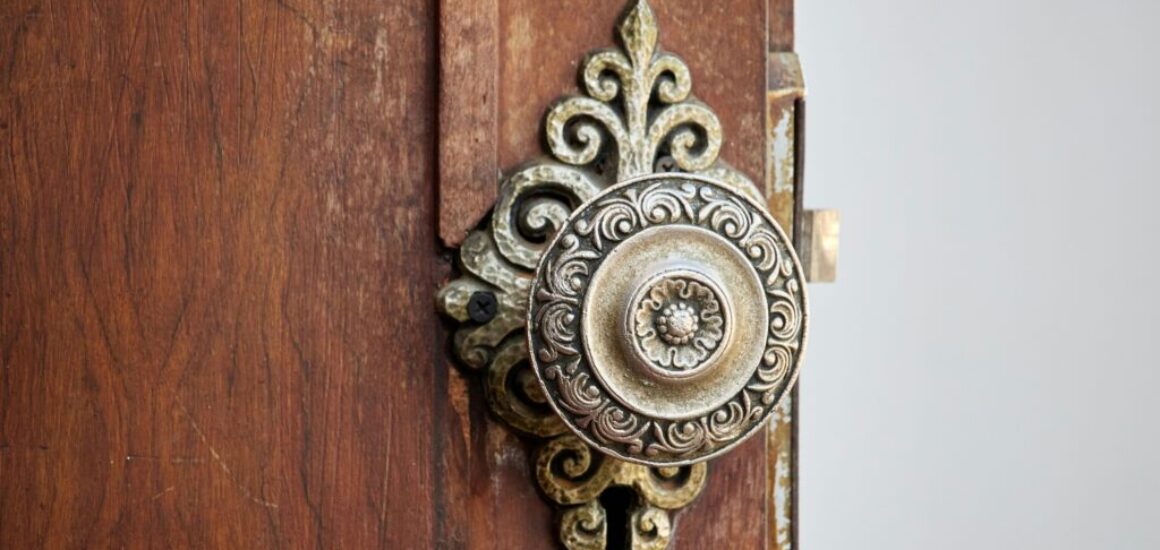
Antique vs. Modern Door Hardware: What’s Really Better?
When it comes to door hardware, homeowners and designers often face a key decision: restore original antique hardware or replace it with modern alternatives. At first glance, modern hardware may seem like the easier option—shiny, new, and readily available. But when you look closer, antique hardware often outperforms its modern counterparts in durability, character, and long-term value.
So which is truly better? Let’s break it down.
1. Craftsmanship: Built Then vs. Built Now

Antique Door Hardware
• Often made from solid brass, bronze, cast iron, or steel
• Hand-finished or precision-cast with remarkable detail
• Designed to last for generations
• Internal mechanisms are typically heavier and more durable
Modern Door Hardware
• Frequently made from lighter alloys or plated metals
• Mass-produced with thinner internal components
• Designed for affordability rather than longevity
• Shorter lifespan under heavy use
Winner: Antique hardware
Older pieces were built for performance and permanence—not planned replacement.
2. Aesthetic Value & Character
Antique Hardware
• Offers unique designs tied to architectural eras (Victorian, Craftsman, Art Deco, etc.)
• Develops a natural patina that adds warmth and charm
• Enhances historic authenticity and visual harmony
Modern Hardware
• Clean and minimal, but often generic
• Limited personality and historical context
• Finishes may fade, chip, or discolor over time
Winner: Antique hardware
Nothing matches the authenticity and soul of original pieces.
3. Fit & Function
Antique Hardware
• Already sized and fitted to older doors
• Mortise locks and original hinges align naturally
• Smooth function when properly restored
Modern Hardware
• Often requires door modification
• May not align with existing mortises
• Can compromise original woodwork
Winner: Antique hardware
Restoring what already fits saves time, money, and damage.
4. Cost & Long-Term Value
Antique Hardware
• Restoration is often more affordable than custom replacements
• Adds resale value to historic properties
• Long lifespan reduces replacement cycles
Modern Hardware
• Low upfront cost
• Shorter lifespan means repeat purchases
• Higher-end replicas are often very expensive
Winner: Antique hardware
Lower lifetime cost, higher long-term value.
5. Sustainability & Environmental Impact
Antique Hardware
• Reuses existing materials
• Prevents landfill waste
• Reduces demand for new manufacturing
Modern Hardware
• Requires new production
• Adds waste when replaced
• Consumes resources and energy
Winner: Antique hardware
Restoration is the greener choice.
So… Which Is Really Better?
While modern hardware offers convenience and availability, antique hardware consistently wins in:
• Craftsmanship
• Durability
• Aesthetic appeal
• Fit
• Sustainability
• Long-term value
If you already have original hardware, restoring it is almost always the superior option. Antique door hardware isn’t outdated—it’s underappreciated.
With proper restoration, these pieces can outperform modern replacements while preserving the character and history of your home.
Before you swap out that old knob or hinge, consider what you might be throwing away: not just hardware, but craftsmanship that modern manufacturing no longer replicates.