
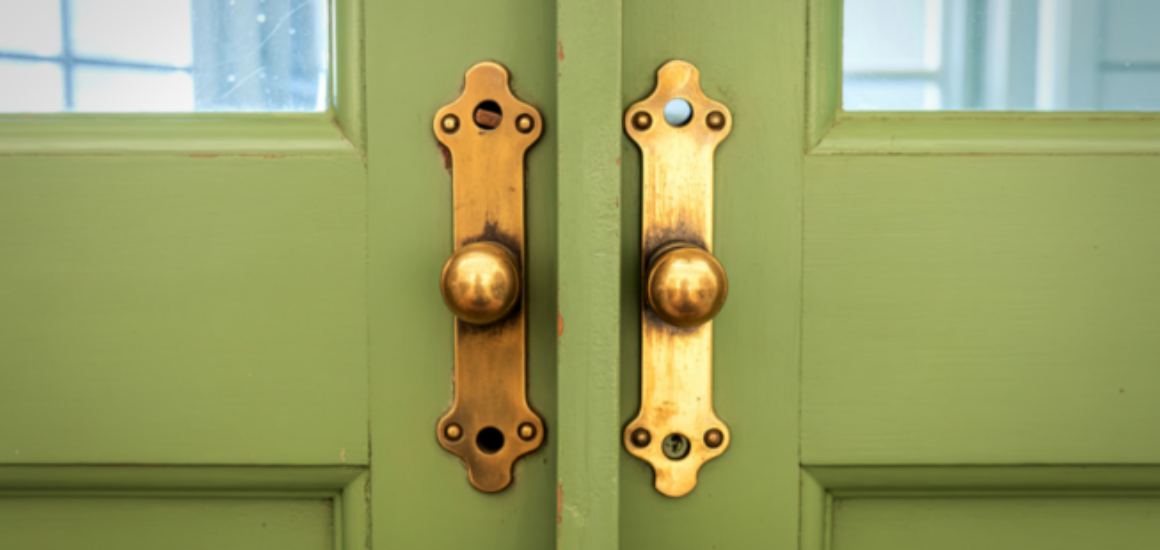
Painted-Over Hardware: How to Safely Strip and Restore What’s Underneath
If you’ve ever pulled a hinge, doorknob, or backplate off an older door and found it caked in layer after layer of paint, you already know the frustration. Somewhere along the way, a previous owner (or five) decided it was faster to paint straight over the hardware than to remove it first. The result is original hardware that’s been hiding under coats of latex and oil-based paint for decades, sometimes without anyone realizing what’s underneath.
Painted-over door hinges and hardware? Learn how professional restoration safely strips old paint to reveal the original finish underneath.The good news: in almost every case, that hardware can be brought back. Paint is rarely as permanent as it looks.
Why Hardware Gets Painted Over in the First Place
It happens more often than you’d think, especially in older homes, rental properties, and buildings that have changed hands multiple times. Repainting a room is quick. Removing every hinge, knob, and strike plate first is not. So the paintbrush goes right over the hardware, and each new coat buries the original finish a little deeper.
Over time, this can:
- Obscure decorative details, engravings, or manufacturer markings
- Make hardware harder to operate, since paint builds up in moving parts
- Hide corrosion or damage that’s happening underneath
- Make it difficult to tell what the hardware is even made of
What NOT to Do First
Before reaching for a screwdriver and a can of paint stripper, there are a few mistakes worth avoiding:
- Don’t use a heat gun directly on hardware with a lacquer or plated finish — excess heat can warp or discolor certain metals
- Don’t scrape with metal tools before softening the paint, since this can gouge or scratch the base material
- Don’t assume it’s just paint. Some older hardware was intentionally finished in a way that can look similar to paint buildup, so it’s worth taking a closer look before stripping anything
How Restoration Removes Paint Without Damaging the Hardware
The right approach depends on the hardware’s material and how many layers you’re dealing with, but the general process looks like this:
- Remove the hardware from the door. Working on a piece away from the door itself makes the process safer and far more thorough.
- Soak or apply a stripping solution. A gentle chemical stripper, sometimes combined with a slow soak, loosens paint without forcing it.
- Let the paint soften fully before removing it. Rushing this step is where most at-home attempts go wrong.
- Gently remove the softened paint using soft brushes or wooden tools, working carefully around any decorative detail or engraving.
- Clean and inspect the base material once the paint is gone, checking for corrosion, wear, or damage that was hidden underneath.
- Polish, refinish, or seal as needed, depending on the original material and finish.
What You Might Find Underneath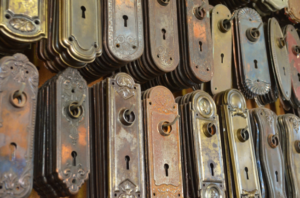
This is often the most satisfying part of the process. Homeowners are frequently surprised to discover:
- Solid brass or bronze hardware under what looked like cheap painted metal
- Manufacturer stamps or dates that help identify the piece
- Decorative patterns that had been completely obscured
- Hardware in far better condition than expected, once the paint is gone
When to Bring It to a Professional
A single painted-over doorknob might be a manageable weekend project. But when you’re dealing with an entire home’s worth of hardware, delicate mortise locks, or pieces with intricate detailing, it’s easy to do more harm than good with the wrong stripping method or too much force.
That’s where we come in. At Door Hardware & Restoration, we work with hardware in every condition, painted-over pieces included, and we know how to bring back what’s underneath without damaging it in the process.
If you’ve got hardware buried under years of paint and you’re not sure what’s actually there, send us some photos. You might be surprised by what we find.